

The Label-Reading Habit: What to Look for on Packaged Foods
Dozens of similar products stand side by side on supermarket shelves. While the images and slogans on the front of a package catch the eye, the label on the back offers the most reliable information about the product. Reading labels is a simple way to make more informed choices. In this article we look at what to check on packaged foods.
Starting with the serving size
The nutrition table is usually given per 100 grams or per serving. Checking how many servings a whole package contains makes it easier to understand how much energy and how many nutrients you actually consume. When comparing products, using the per-100-gram values offers a fairer comparison.
The nutrition table
Energy: Shows the calories the product provides; worth noting especially for snack products.
Sugar: Can be higher than expected in breakfast cereals, fruit yoghurts and ready-made drinks.
Salt: Can stand out in instant soups, processed meat products and savoury snacks.
Saturated fat and fibre: Products with moderate saturated fat and higher fibre can be preferred.
The ingredients list
Ingredients are listed from the largest amount to the smallest. Sugar or sugar derivatives near the top of the list give an idea of how sugary the product is. Shorter lists made of familiar ingredients usually point to less processed products. Allergen warnings for people with food allergies also appear in this section.
Date information
The "use by" date marks the safety limit, especially for short-lived foods such as dairy and meat. The "best before" date indicates how long the product keeps its best quality. Following the storage instructions helps ensure the product can be eaten safely within these periods.
Individual needs and expert advice
In conditions such as diabetes, high blood pressure, coeliac disease or food allergies, reading labels becomes even more important and the values to watch vary from person to person. This article is for general information; please consult a physician or dietitian for your personal nutrition plan.
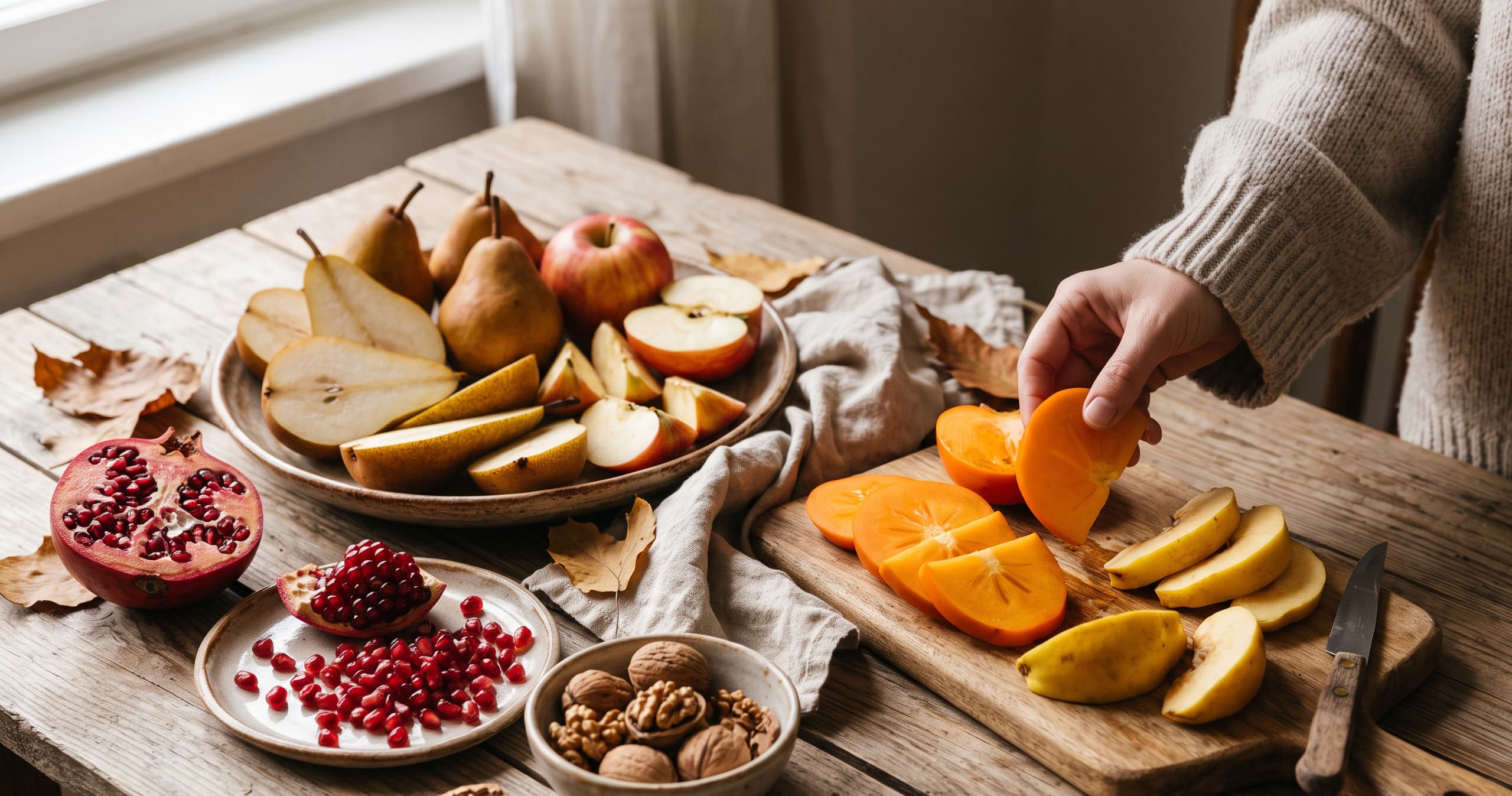
Colourful Snacks with Autumn Fruits
Pomegranates, quinces, pears and walnuts bring both colour and variety to autumn snacks. This article offers practical snack ideas built aro...
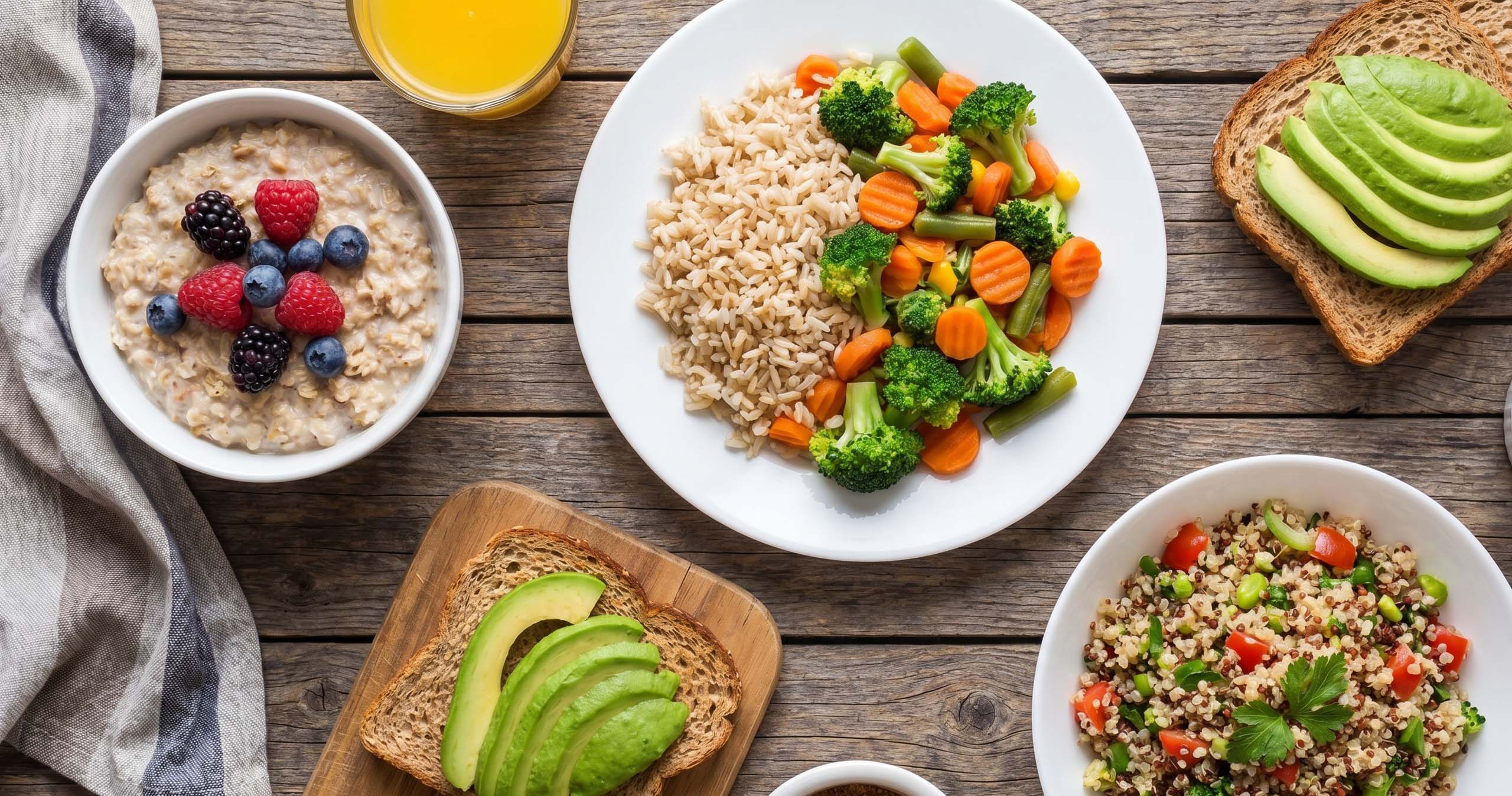
Ways to Include Whole Grains in Your Daily Diet
Whole grains can become a simple, balanced part of daily eating. This article brings together general information and practical tips on incl...
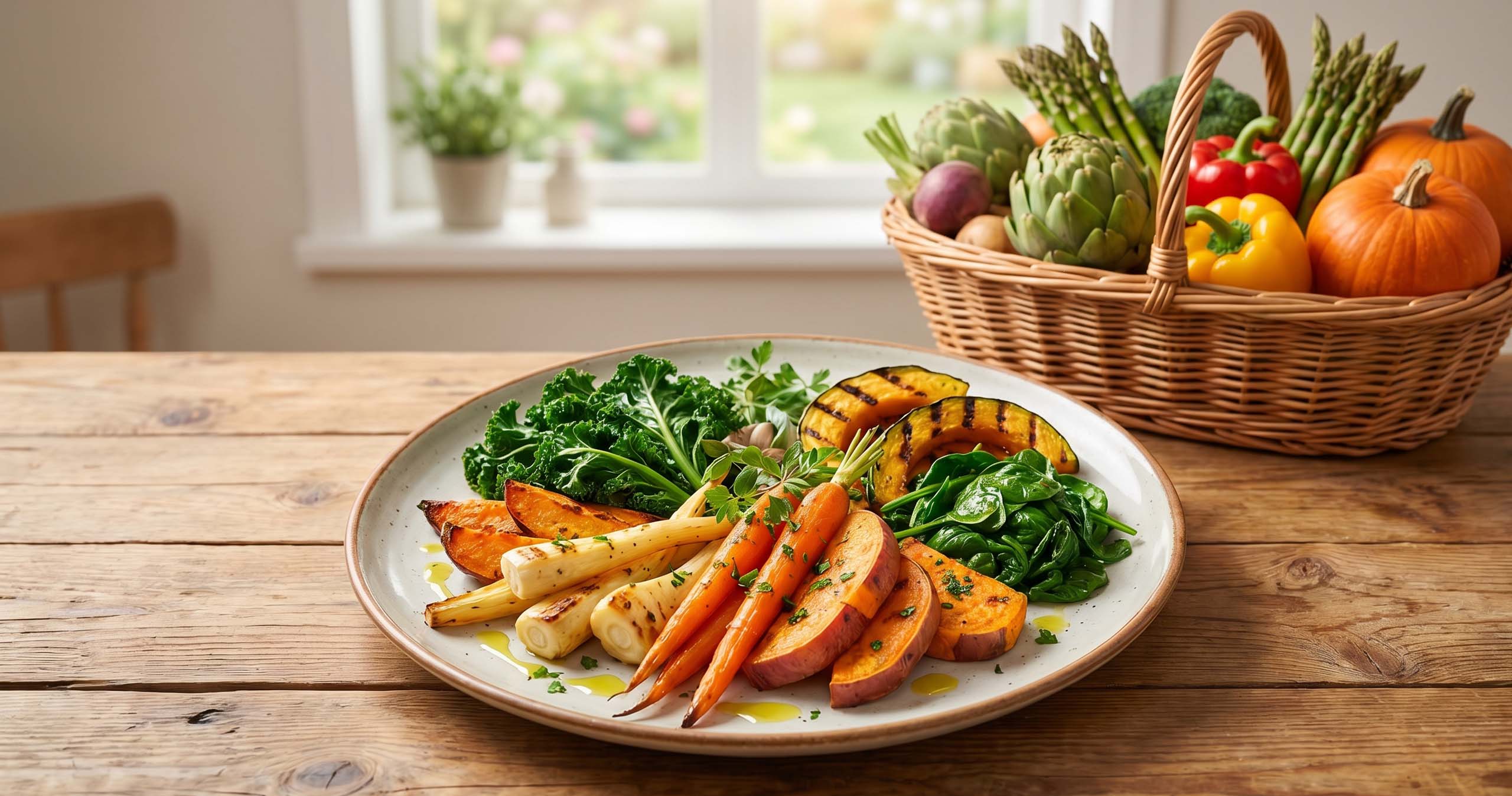
How Seasonal Vegetables Add Value to the Daily Plate
Vegetables eaten in season often stand out in both flavour and appearance. This article brings together general information about the place...