

The Importance of Daily Water Intake: Practical Suggestions
Water is an essential component involved in nearly every function of the body. Adequate fluid intake plays a role in everyday processes such as regulating body temperature, transporting nutrients to cells, and removing waste. This article brings together general information and practical suggestions about daily water consumption.
Why is water important for the body?
About two-thirds of an adult's body weight is made up of water. Water supports many processes, from lubricating joints and maintaining skin elasticity to aiding digestion and nerve signalling. Replacing the water lost through sweat, breathing, and urine throughout the day can contribute to overall well-being.
General suggestions for daily water intake
A commonly cited guideline for adults is around 2 to 2.5 litres of fluid per day. However, this figure can vary based on age, sex, body weight, physical activity level, and climate. For a precise understanding of your own needs, it is best to consult your doctor or dietitian.
Practical ways to increase water intake
Keep a reusable bottle with you and split the day into small, achievable goals.
Make it a habit to drink a glass of water before each meal.
If you find plain water dull, try adding slices of lemon, cucumber, or mint to lightly vary the taste.
Remember that beverages such as tea and coffee do not fully replace water; aim for a balanced mix throughout the day.
Foods with a high water content, such as soups, vegetables, and fruit, also contribute to daily fluid intake.
Hot weather and active days
On hot days, during heavy sweating, or during prolonged physical activity, the body needs more water. At such times, drinking small amounts frequently rather than waiting for thirst to set in is a practical approach. If symptoms such as severe heat, dizziness, or weakness occur, it is important to seek advice from a healthcare professional.
Individual needs and professional guidance
Fluid requirements may differ for people living with a chronic condition, taking regular medication, or following a specific diet. For this reason, alongside general suggestions, personalised advice from a doctor or dietitian is valuable. The information in this article is intended for general awareness and is not a substitute for individual medical advice.
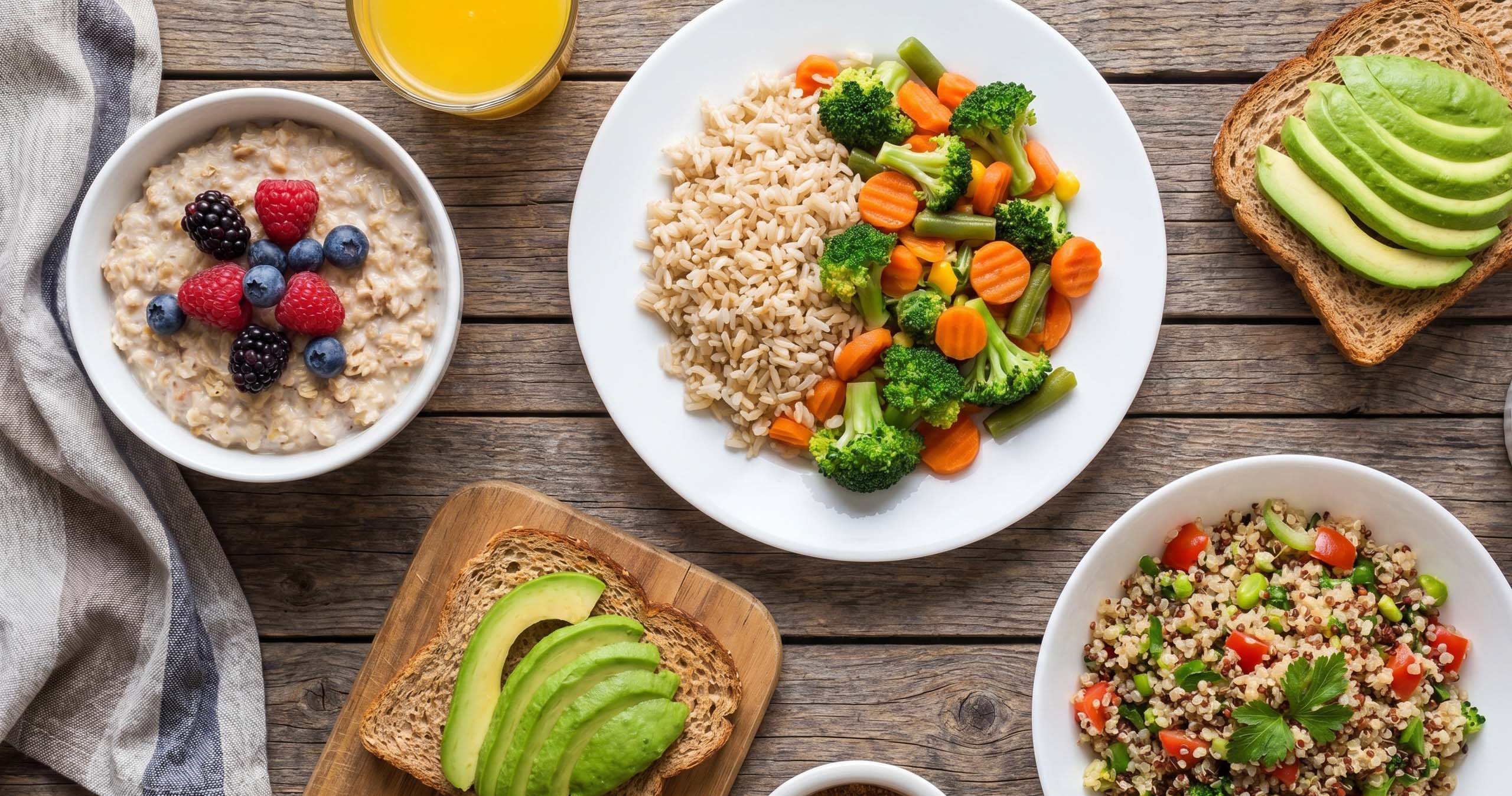
Ways to Include Whole Grains in Your Daily Diet
Whole grains can become a simple, balanced part of daily eating. This article brings together general information and practical tips on incl...

How Seasonal Vegetables Add Value to the Daily Plate
Vegetables eaten in season often stand out in both flavour and appearance. This article brings together general information about the place...

How to Build a Balanced Plate: Core Principles
Simple, applicable principles for bringing variety and balance to your daily meals. A practical guide to the foundations of a balanced plate...