
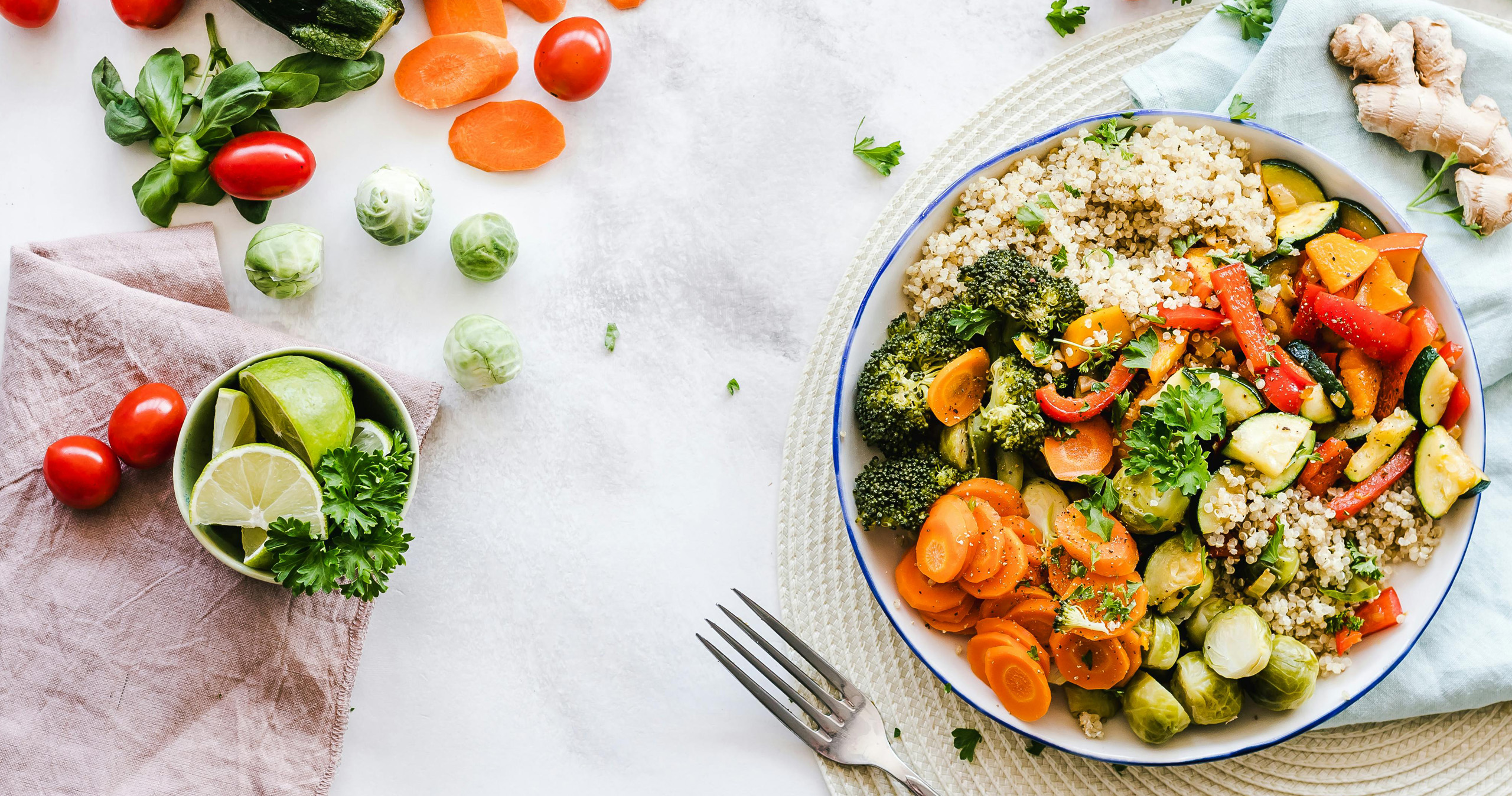
How to Build a Balanced Plate: Core Principles
Balanced eating is not about eating just one food or cutting out an entire group. At its core, it is the habit of combining different food groups in reasonable proportions. In this article you will find simple, long-lasting principles to help you plan your everyday meals.
Core components of a balanced diet
A balanced plate generally includes vegetables and fruit, whole grains, quality protein sources, and healthy fats. Each of these groups provides the body with different nutrients. Capturing the perfect ratio in a single meal is not always necessary; achieving variety over the course of the day and week is usually enough.
A simple way to portion your plate
A practical approach is to mentally divide your plate into sections: roughly half for vegetables and fruit, a quarter for whole grains, and a quarter for protein sources. Since this method does not require scales, calculations, or special equipment, it fits easily into daily life.
Making room for vegetables and fruit
Favour seasonal produce — it brings both freshness and variety.
Instead of sticking to one colour, choose foods across a range of colours to access different micronutrient groups.
Try different preparation methods such as raw, boiled, baked, or steamed.
When possible, eating whole fruit is a more satiating choice than drinking fruit juice.
Whole grains and quality protein choices
Choosing options such as bulgur, oats, whole-grain bread, or whole-wheat pasta in place of white bread, white rice, and refined flour products naturally increases the fibre content of the plate. On the protein side, a mix of sources — legumes, eggs, yoghurt, dairy, fish, poultry, and lean red meat — provides everyday variety.
Notes on portion size and variety
A balanced eating plan is judged by the overall picture rather than any single meal. Rather than strict rules, an approach that emphasises variety, reasonable portions, and sustainability tends to last longer. If you have a chronic condition, a specific dietary requirement, or are in a special situation such as pregnancy, it is strongly recommended to consult a doctor or dietitian for a personalised plan. This article is intended for general information and is not a substitute for individual medical advice.
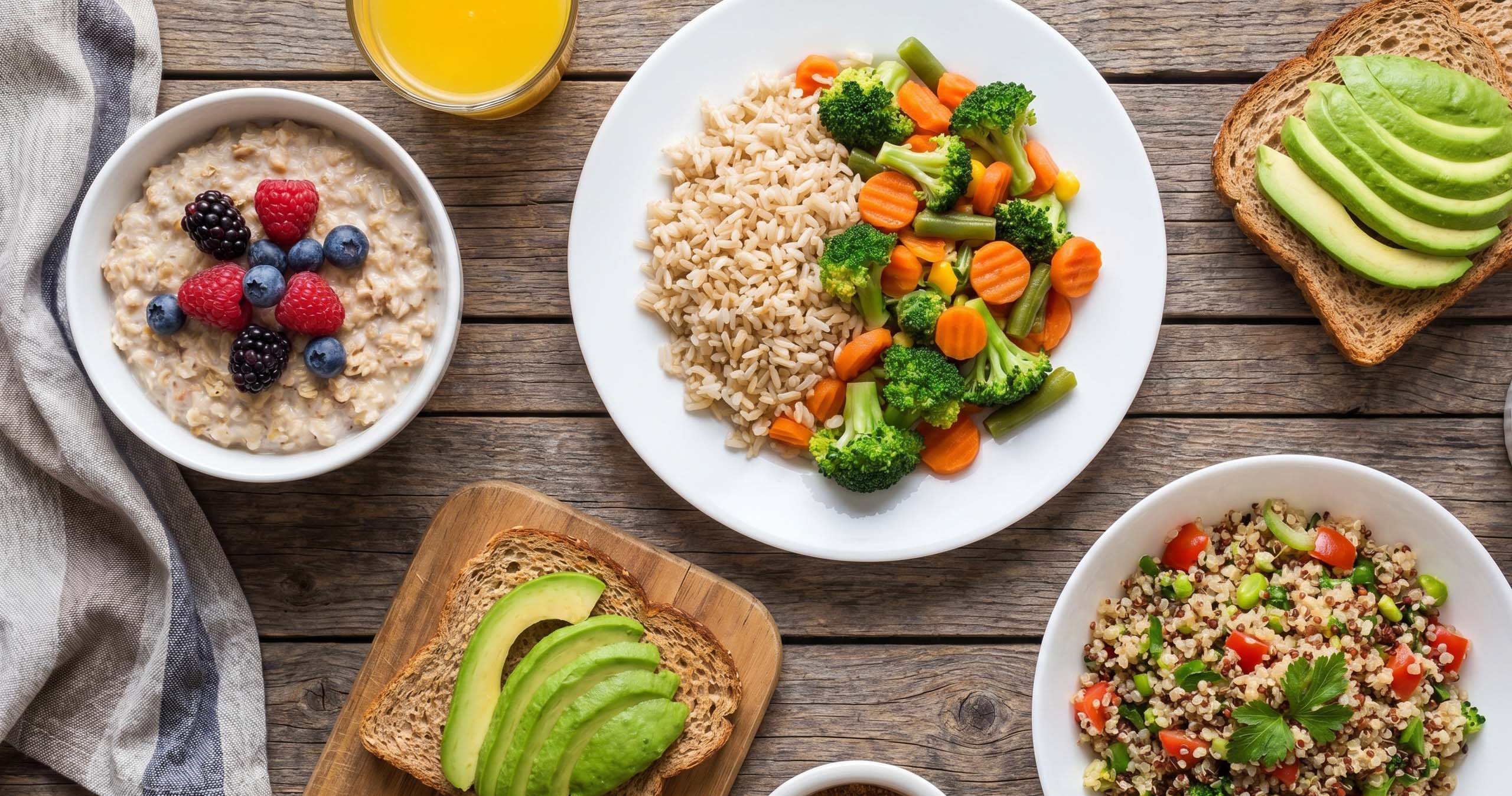
Ways to Include Whole Grains in Your Daily Diet
Whole grains can become a simple, balanced part of daily eating. This article brings together general information and practical tips on incl...
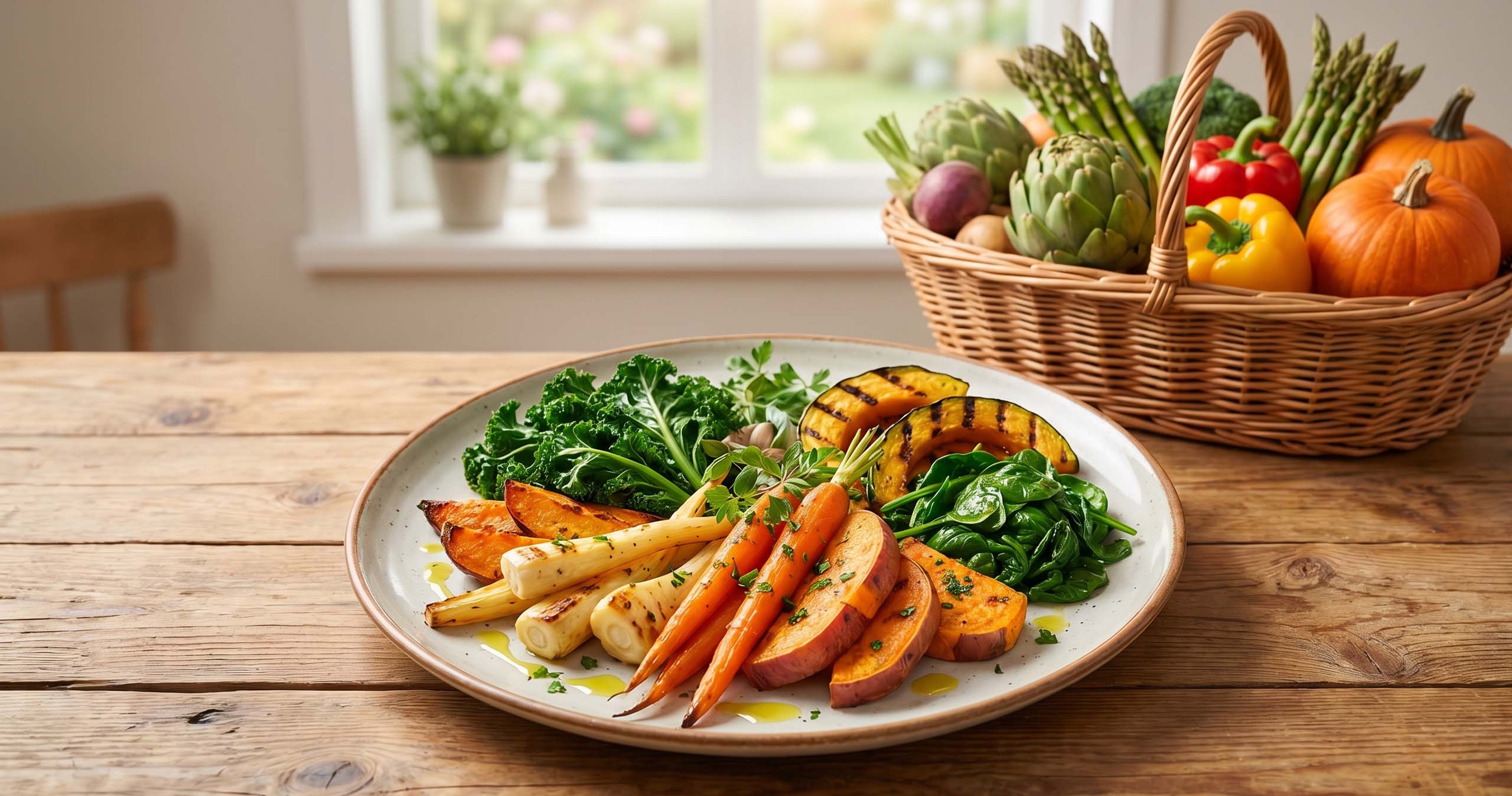
How Seasonal Vegetables Add Value to the Daily Plate
Vegetables eaten in season often stand out in both flavour and appearance. This article brings together general information about the place...

The Importance of Daily Water Intake: Practical Suggestions
Adequate fluid intake is one of the fundamental daily habits. This article brings together general guidance and practical tips for everyday...