

Practical Approaches to Dealing with Daily Stress
Stress is an unavoidable part of everyday life; work, commuting, responsibilities, and unexpected events affect everyone from time to time. The goal is not to eliminate stress entirely but to cope with it in a reasonable and sustainable way. This article brings together practical approaches that can be adapted to daily life.
The everyday face of stress
Stress does not arise only from big events; small situations that add up — minutes in traffic, deadlines, crowded spaces — can create a similar burden. Becoming aware of this accumulation is a good starting point for restoring balance.
Small habits for mental refreshment
Short practices during the day can help the mind recover at regular intervals. Rather than turning these into a long, complex programme, placing them into the existing routine makes them easier to sustain.
Breath and awareness
A few minutes of slowed breathing, or briefly directing attention to your surroundings — noticing what you see, hear, and feel — can lower the tension of the day. Such short practices require no special place or equipment.
A physical break
Stepping away from the desk or screen for a few minutes, a short walk, or stretching while standing can help ease mental load. Given how body and mind are connected, small physical movements often bring mental refreshment along with them.
The bigger picture of supportive habits
Regular sleep hours are among the habits that support our capacity to manage stress.
A daily movement routine can help release accumulated tension.
Talking with people you trust is a simple yet effective way to move mental load outside yourself.
Alcohol and excessive caffeine may seem soothing in the short term but can make stress management harder over time.
Managing expectations
Stress management is not about creating a space where difficulties never occur. The aim is to expand the tools available to us in stressful moments and shorten our recovery time. For that reason, rather than seeking a perfect daily plan, small and workable habits are usually more helpful.
When to seek professional support
If you have long-lasting intense anxiety, sleep problems, a low mood that disrupts daily functioning, or other symptoms you struggle to manage on your own, speaking with a mental health professional is important. This article is intended for general information and is not a substitute for individual medical or psychological advice.

The Role of Breathing Exercises in Calming the Mind
Breath is a simple tool that is always available throughout the day. This article brings together general information on breathing exercises...
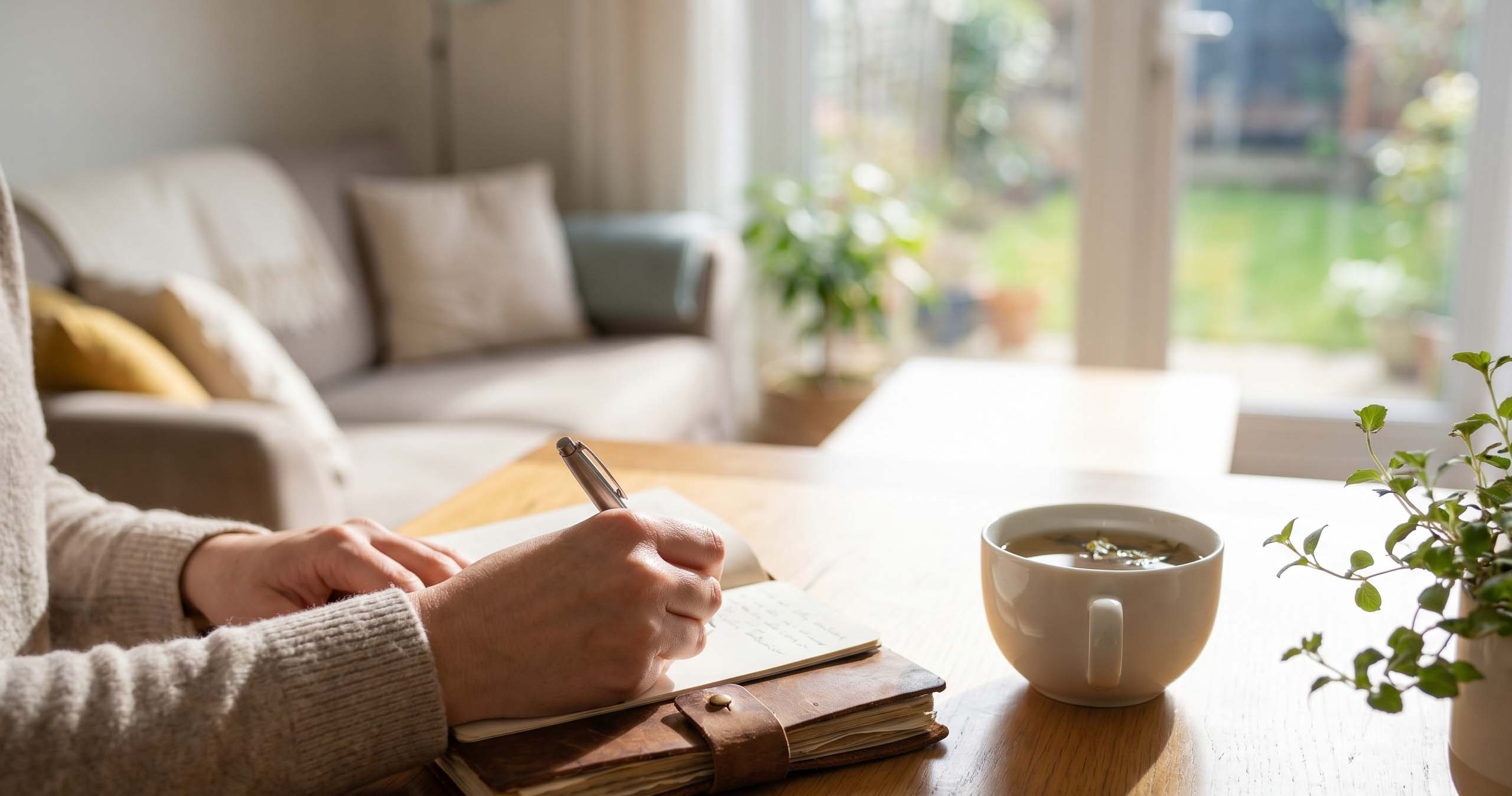
How Journaling Supports Mental Wellbeing
Journaling is a simple way to observe thoughts and feelings in writing. This article brings together general information on how journaling c...

Digital Fatigue and Short Breaks from Screens
Long screen time affects not only the eyes but also attention and general mood. Practical suggestions for a balanced relationship with digit...