
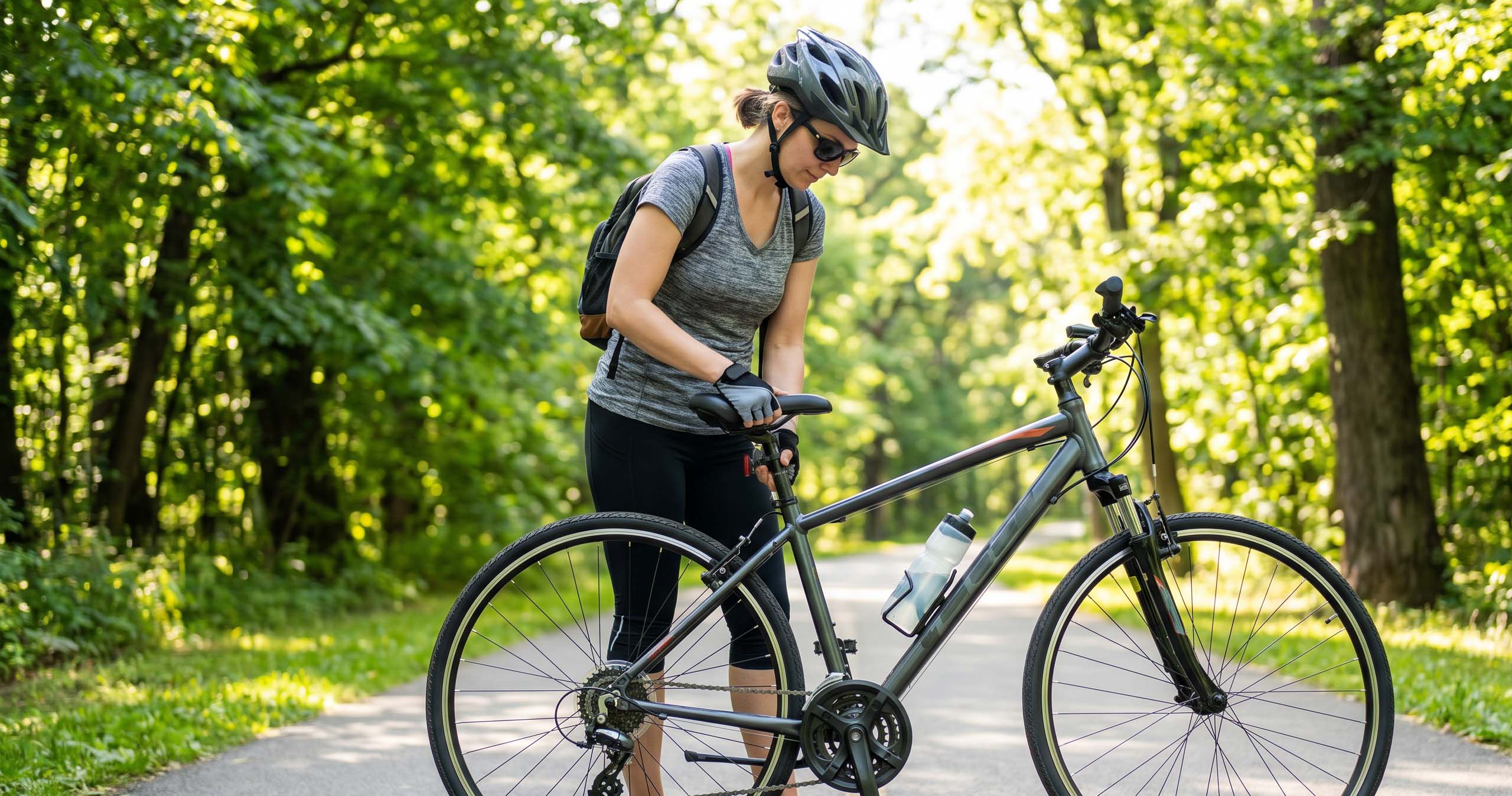
A Practical Guide to Starting Cycling
Cycling is a flexible and enjoyable way to bring movement into the day. Used both for transport and for leisure, it offers a gentle way for the body to adapt to regular activity. This article looks at the basic steps for those who want to start cycling.
Choosing the right bike
Purpose plays an important role in the first bike choice. City bikes suit short rides within the city, while mountain bikes can be preferred for off-road tracks. Factors such as frame size, riding posture, and saddle height directly affect comfort over longer use.
Basic steps for safety
A helmet, front and rear lights, and reflectors are commonly recommended pieces of equipment for a safe start. If you will ride on roads open to traffic, paying attention to traffic rules and road signs is important. Glasses and suitable shoes can also support comfort.
Practical suggestions for the first weeks
You can start with short distances and gradually increase the duration.
Choosing flat roads with light traffic helps strengthen basic riding skills.
A brief check of tyre pressure, brakes, and chain before each ride is helpful.
Adjusting clothing layers to the weather supports comfort.
Planning routes and consistency
For consistency, setting a fixed route often helps. Habits can be built such as cycling to work, taking a short park loop, or replacing an evening walk with a ride. Small weekly goals can support motivation over time.
Individual needs and professional guidance
For those who have been away from physical activity for a long time or who have certain health conditions, the pace at the start may vary. This article is intended for general information; for an individual programme, it is advisable to consult a doctor.

Short Stretch Breaks for Desk Workers
Long periods of sitting can become part of the structure of the day. This article brings together general information about short stretch br...
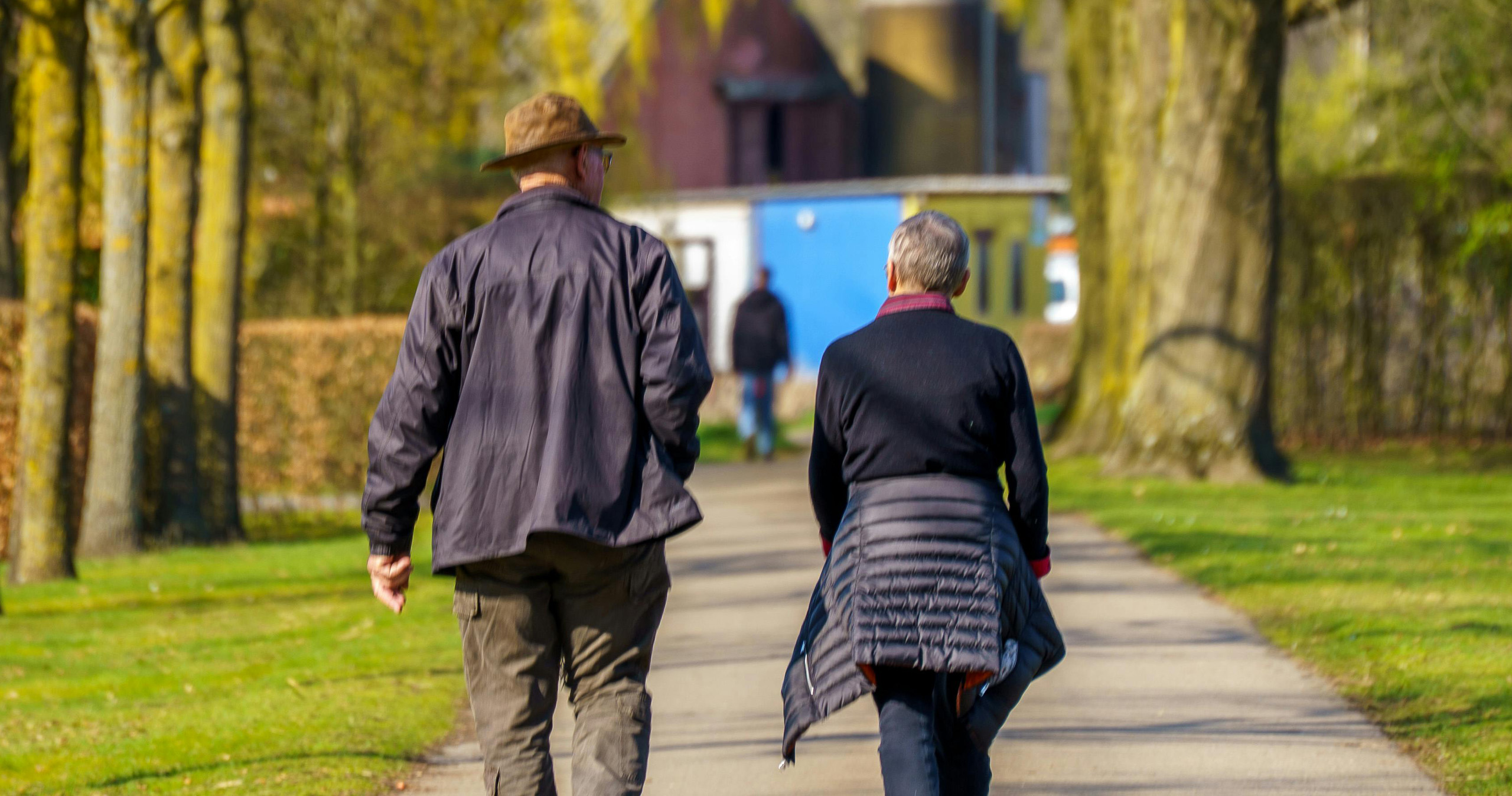
Simple Ways to Add Movement to Daily Life
Practical ways to add movement to your daily routine without a busy schedule. Applicable suggestions to reduce sedentary hours through small...
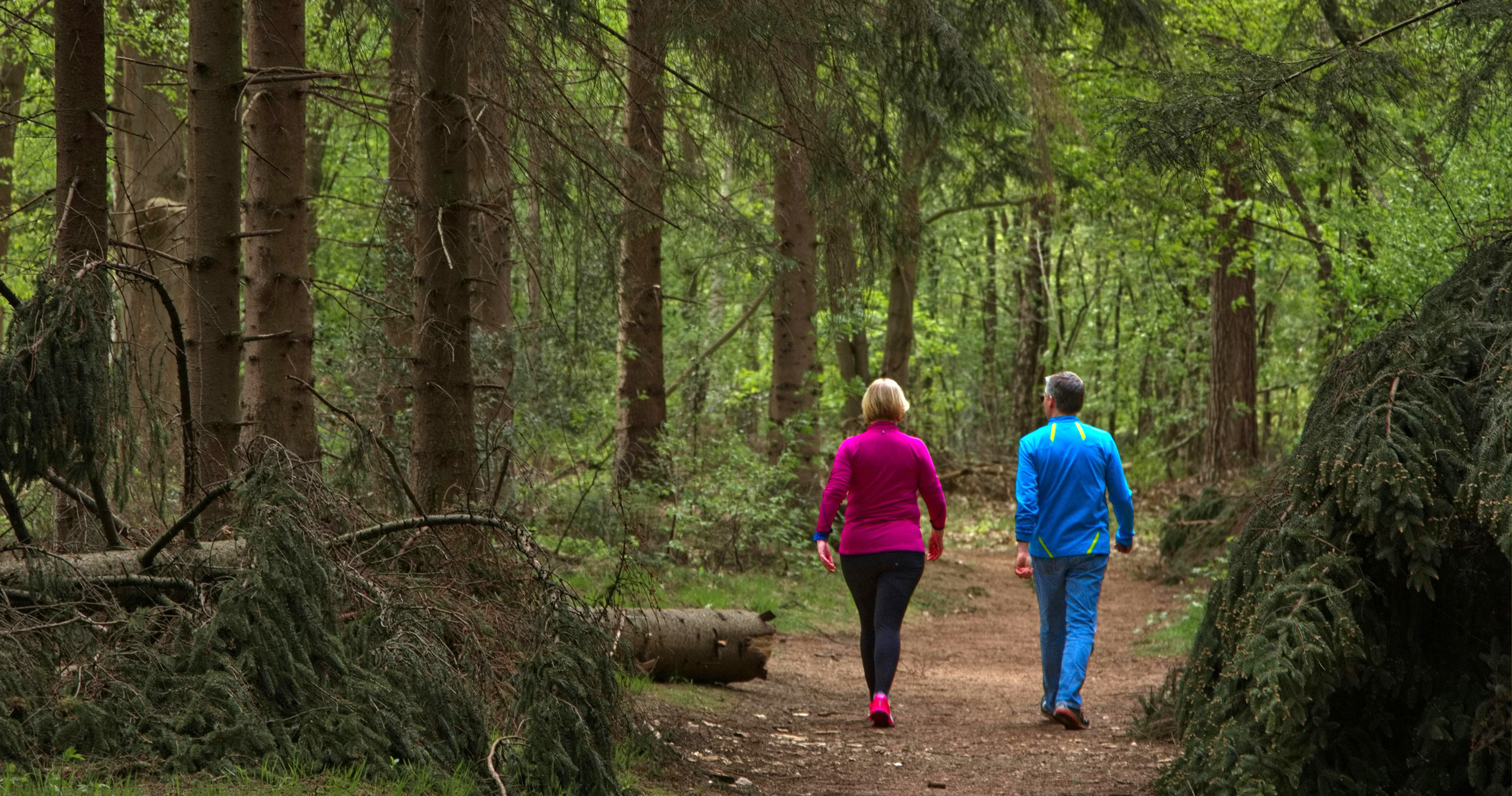
Walking: A Small Guide to Getting Started
A practical framework on pace, duration, and preparation for those new to walking. Core principles for turning it into a sustainable habit.