
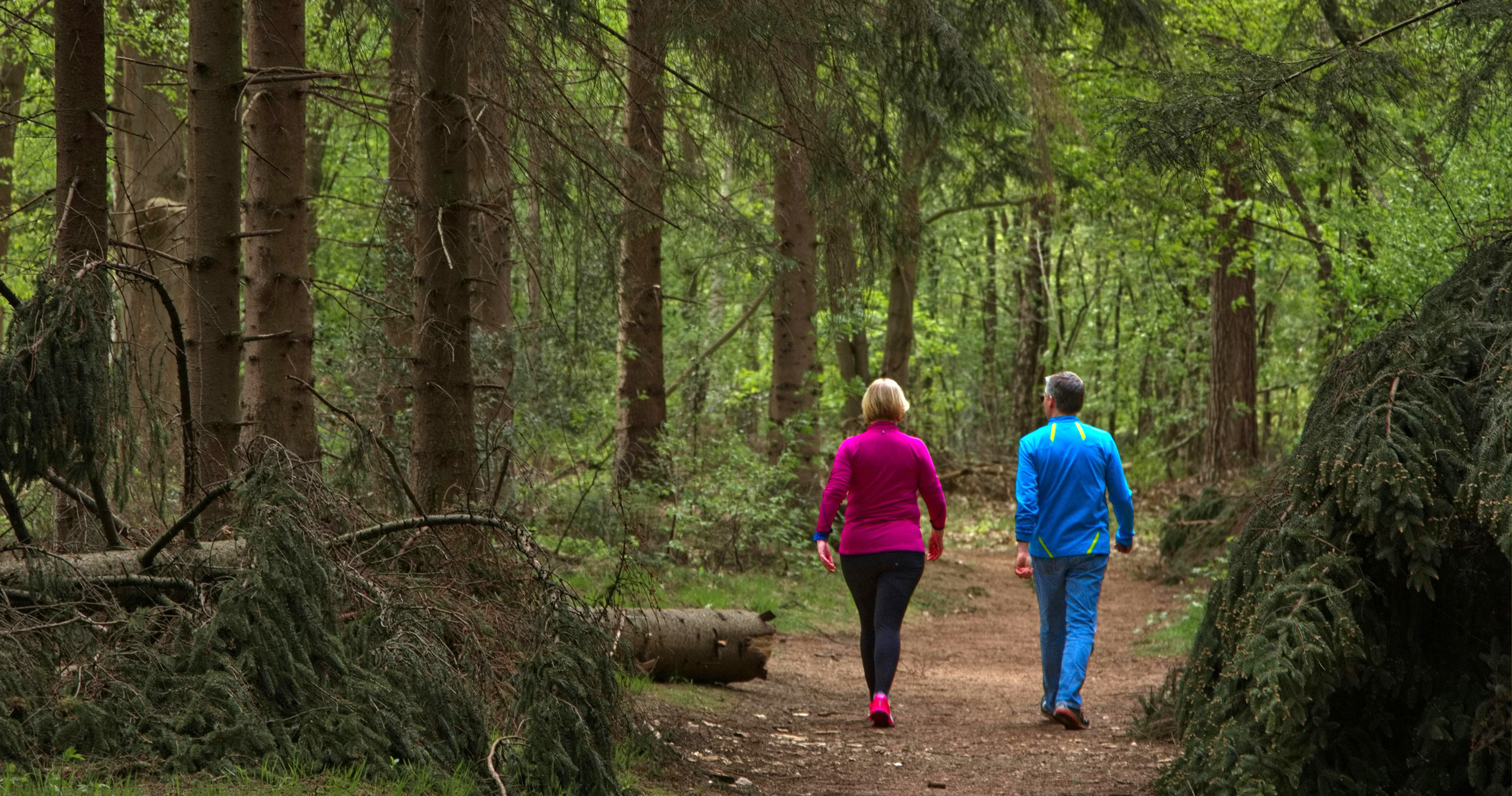
Walking: A Small Guide to Getting Started
Walking is an easily accessible option for many people because it does not require special equipment or experience. This article offers a general framework for beginners on things to consider in terms of pace, duration, and frequency.
A reasonable starting pace
In the early days, the aim is not to chase fast results but to let the body adapt to a new habit. A pace at which you can talk but would find it hard to sing is a commonly suggested reference for beginners. This pace often naturally picks up over time.
Duration and frequency
In the first weeks, short and regular walks tend to be more sustainable than long, infrequent sessions. Starting with 15–20 minute walks on a few days of the week and gradually increasing duration or frequency in later weeks can be a sensible path.
Which time of day works best?
Morning, lunch break, or evening — the best time to turn walking into a habit is the slot that has the fewest obstacles for you. Choosing a flexible time window based on weather, work schedule, and energy levels helps keep motivation steady.
Small but effective preparations
Choose shoes that support foot health, feel comfortable, and fit well.
On hot days, carry a water bottle and plan a route with some shade.
In cold weather, dress in layers to adapt easily to temperature changes.
Planning a route in advance can turn a walk into an enjoyable ritual.
Listening to your body
Mild effort and slightly faster breathing during a walk can be typical. However, warning signs such as chest pressure, significant dizziness, shortness of breath, or joint pain are reasons to pause the walk and speak with a healthcare professional.
Individual planning and professional advice
An appropriate walking plan may differ for people living with cardiovascular, respiratory, or musculoskeletal concerns, those recovering from surgery, or those in special situations such as pregnancy. It is important to consult a doctor before starting a new regular programme. This article is intended for general information and is not a substitute for individual medical advice.
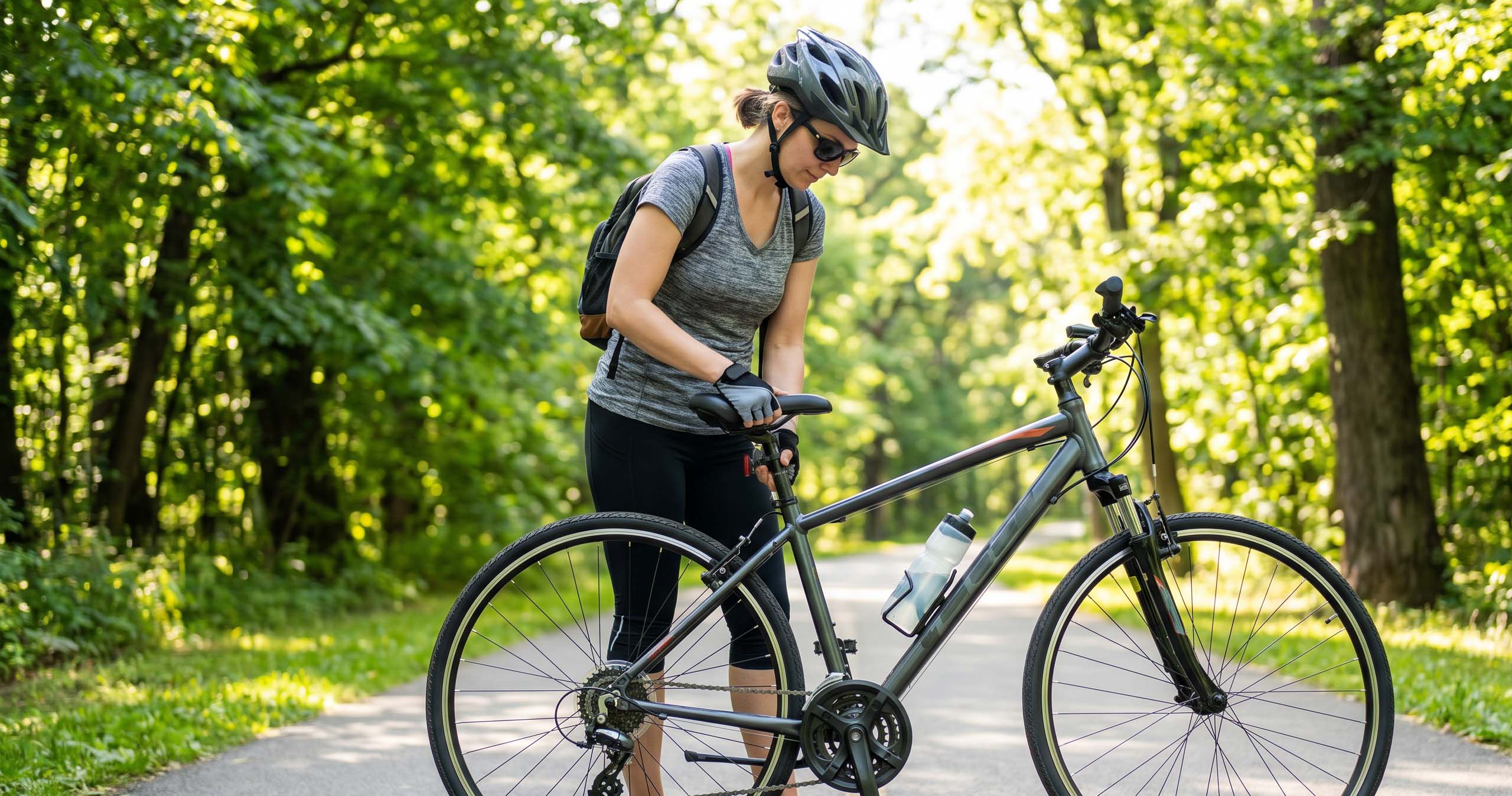
A Practical Guide to Starting Cycling
Cycling is one of the enjoyable ways to add movement to daily life. This article brings together general information and practical tips for...
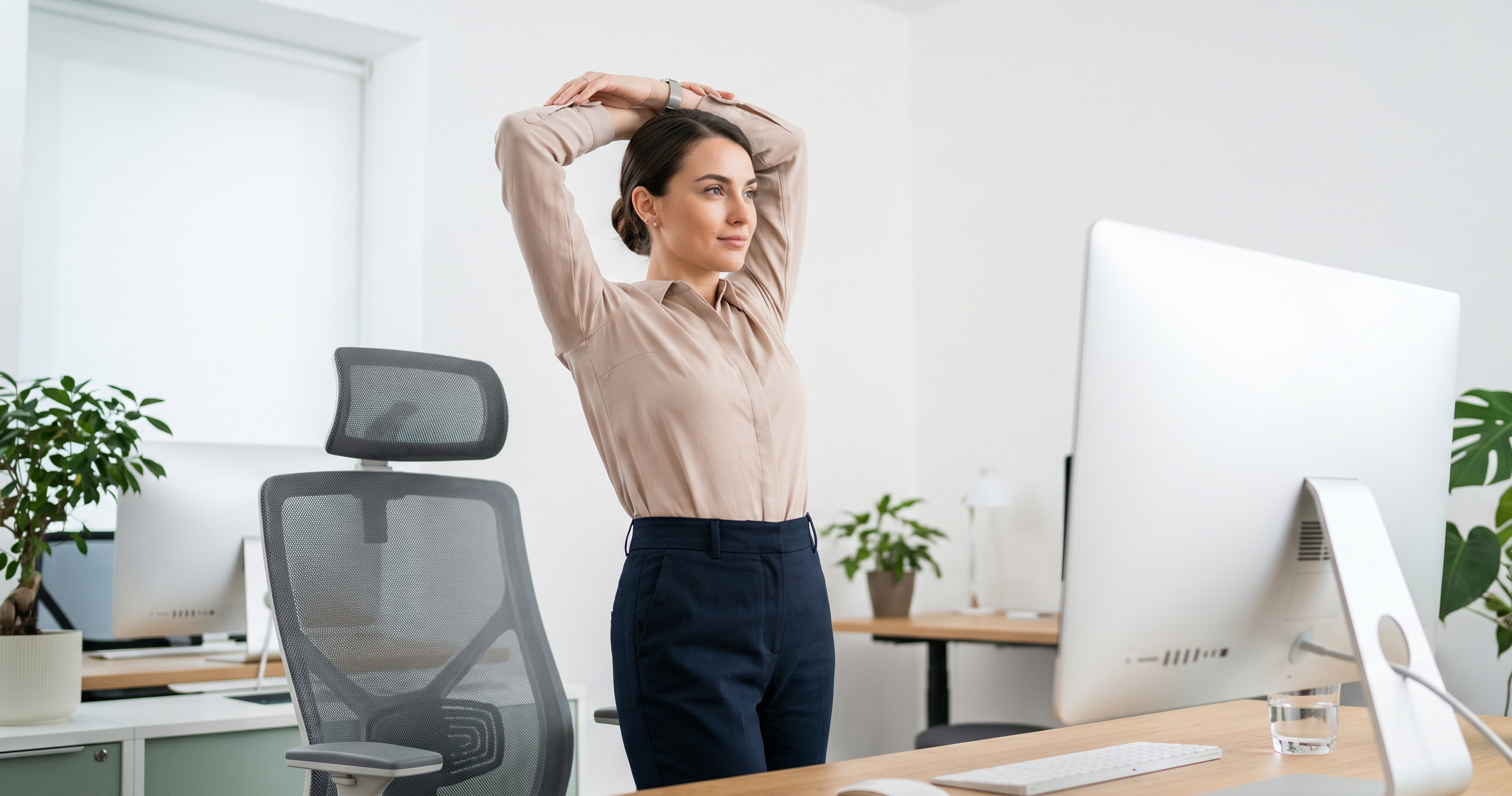
Short Stretch Breaks for Desk Workers
Long periods of sitting can become part of the structure of the day. This article brings together general information about short stretch br...
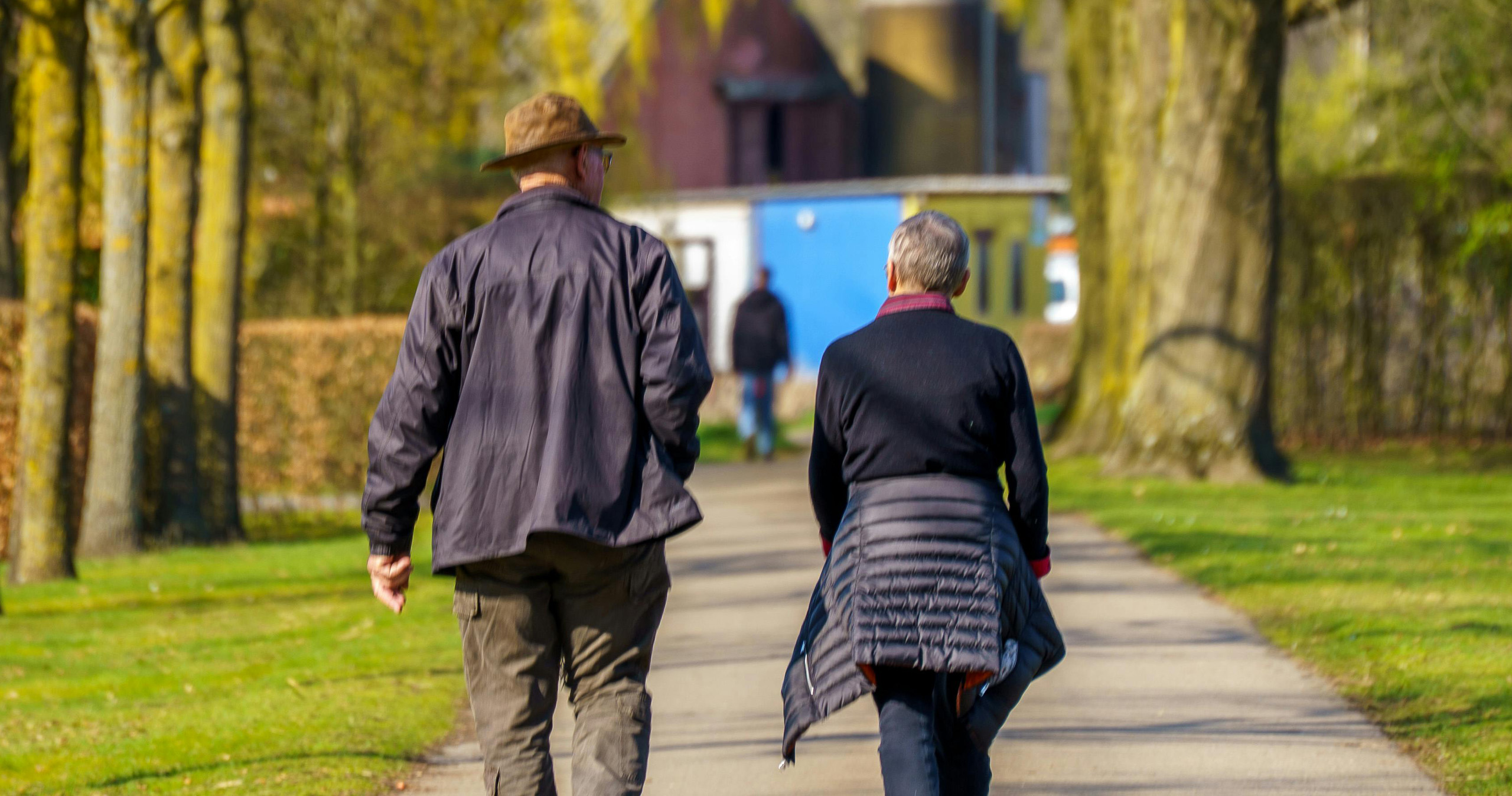
Simple Ways to Add Movement to Daily Life
Practical ways to add movement to your daily routine without a busy schedule. Applicable suggestions to reduce sedentary hours through small...